Scuffed and primed the skins, ribs, stringers and center web.
Riveted together the inboard ribs, web, and stringers.
Clecoed and riveted the ribs to the front spar
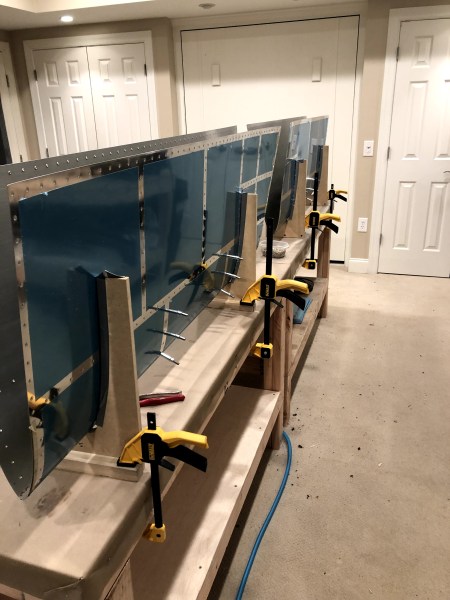
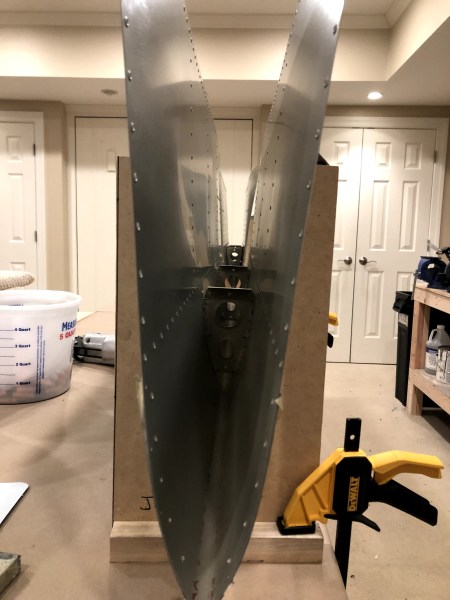
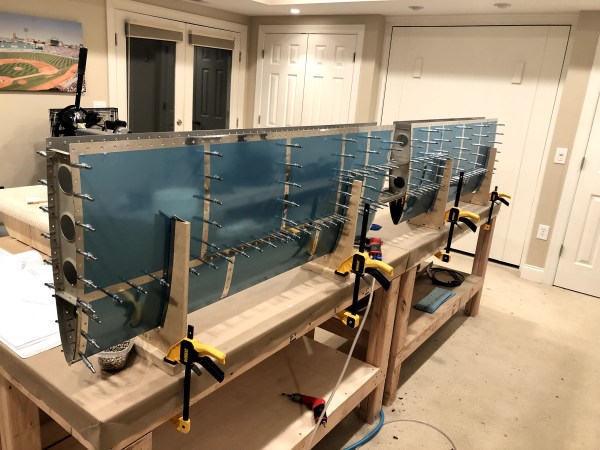
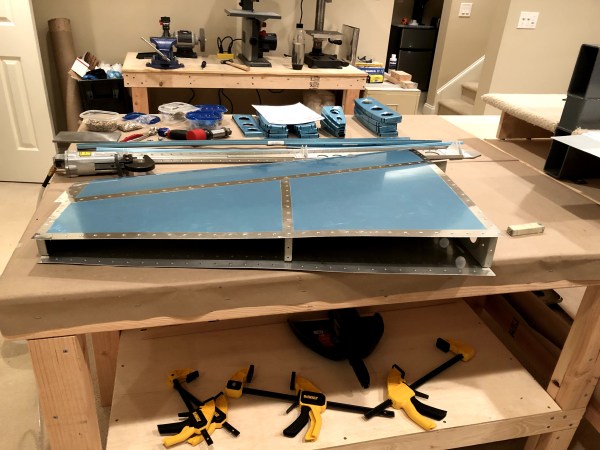
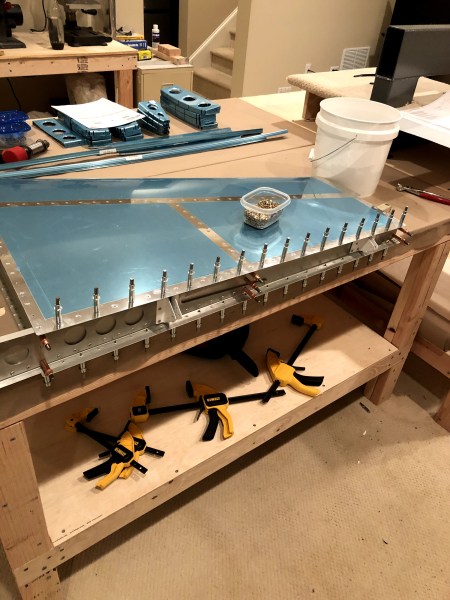
Clecoed and riveted four nose ribs to the skins. Special thanks to Jared Solomon for lending me his HS cradles. Also for the awesome flight flight yesterday in his RV-14. Makes me want to build faster.
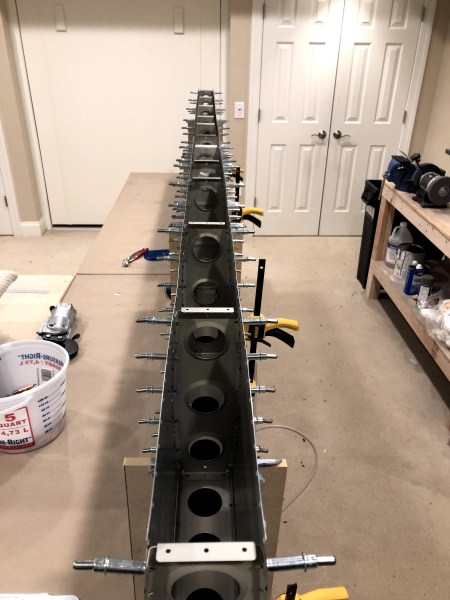
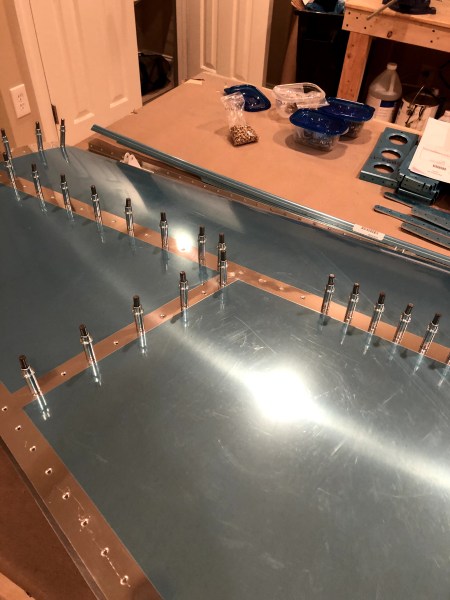
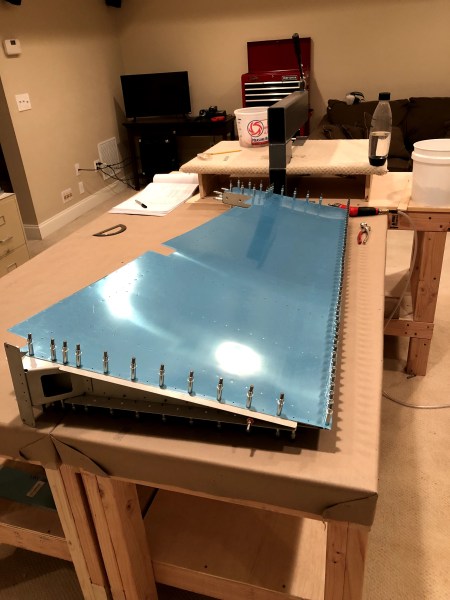
Clecoed the forward spar and associated substructure to the skins. Ready for final riveting. Should have the HS buttoned up tomorrow!
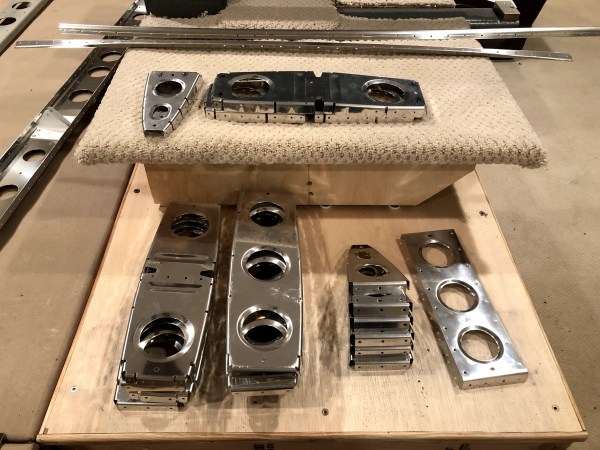
Deburred all the HS ribs with 400 grit sand paper. Sand paper seemed like the most straightforward approach because of all the segments in the flanges. I was able to get in between the segments with it.
I fluted the ribs and modified the two nose ribs and two inspar ribs per the plans and marked them.
I drilled the inboard nose and inspar ribs to the forward spar. Then I deburred all the holes in all the ribs and then dimpled all the ones that mate up to the skins. So. Many. Holes. I can’t even imagine what the wings are going to be like.
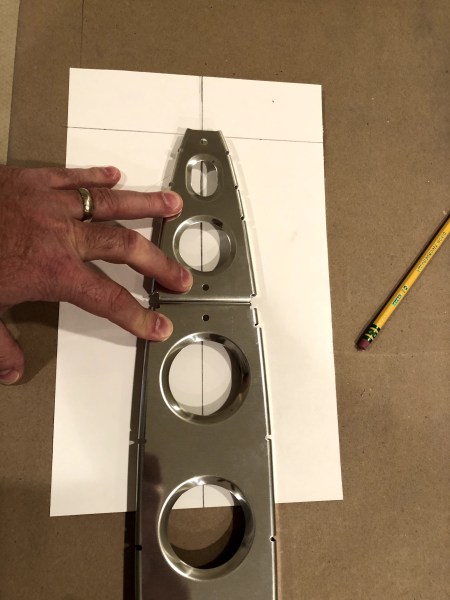
I also created a template to make cradles to hold the HS when assembling. I’ll scrounge some plywood to cut them from and some sort of square stock for the bases.
Got the font spar to the point where it’s ready to be scuffed and primed. This was way more work than it looked like in the plans. It all started with the spar caps. They had to be trimmed and deburred. Then they’re match drilled to the spar web. Then disassembled, deburred, reassembled. Then they are match drilled to the spar flanges, disassembled and deburred. There were approximately a million and one holes drilled and deburred in these things.
Then on to the spar doubler. The usual drill (no pun intended)… Deburr edges, fit, cleco, final drill, disassemble, deburr holes.
Countersunk twelve of the holes on the doubler.
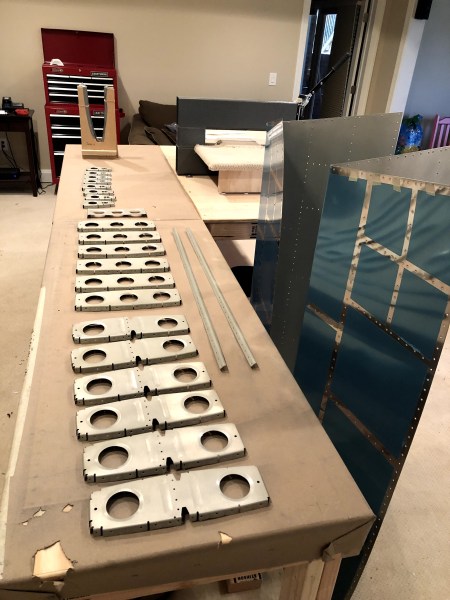
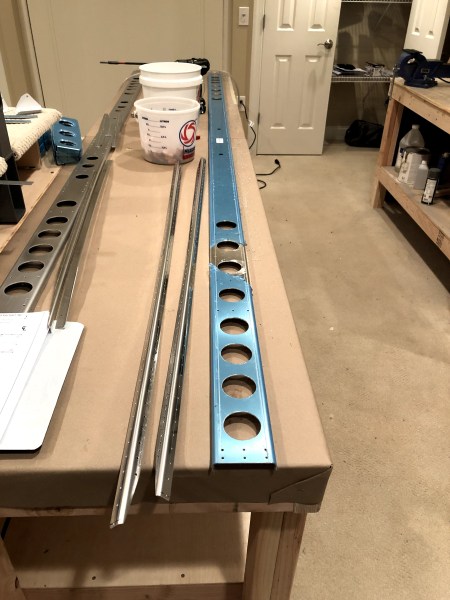
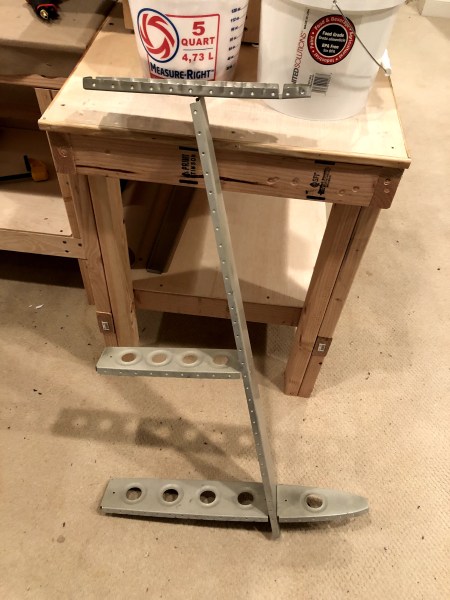
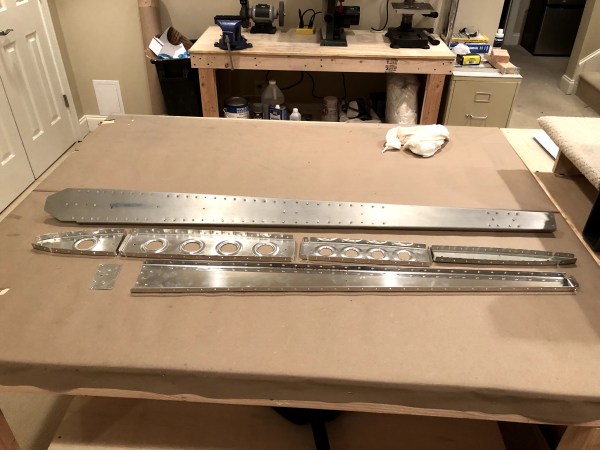
And here are all the front spar parts ready for scuff and prime.
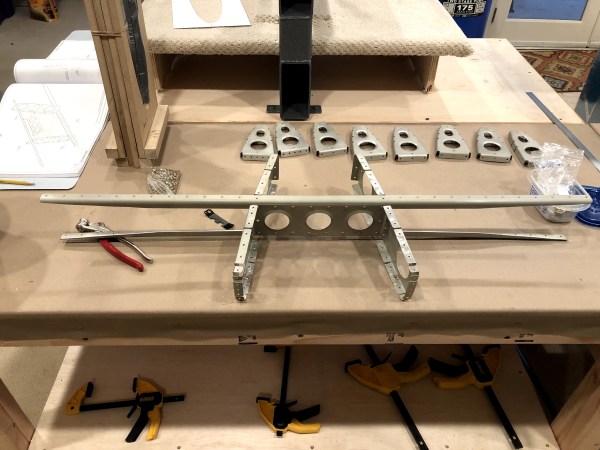
Started work on the horizontal stabilizer today. The first part involves preparing the rear spar.
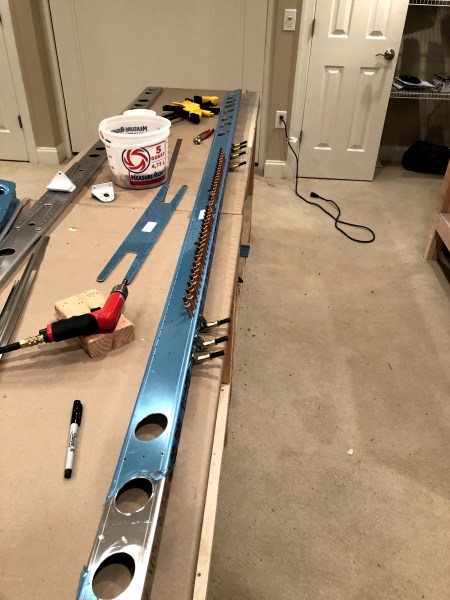
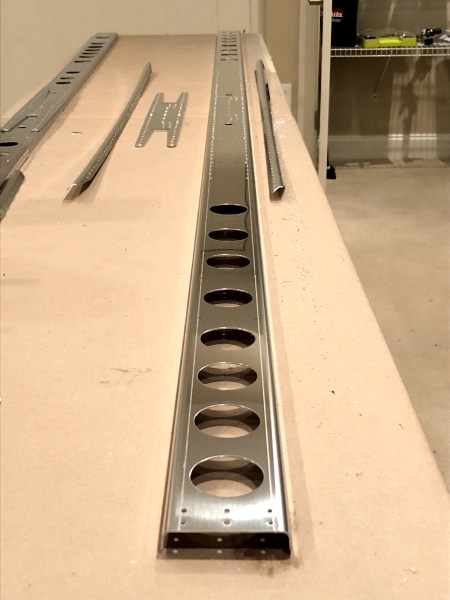
Deburred the rear spar and the rear spar doubler with the Scotch Brite wheel, files, a deburring tool and god old fashioned sandpaper. Got all the edges and lightening holes nice and smooth. Clecoed the rear spar doubler to the rear spar. Final drilled all the holes.
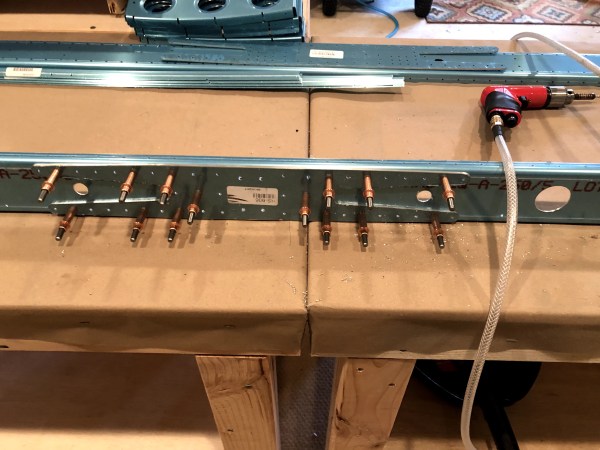
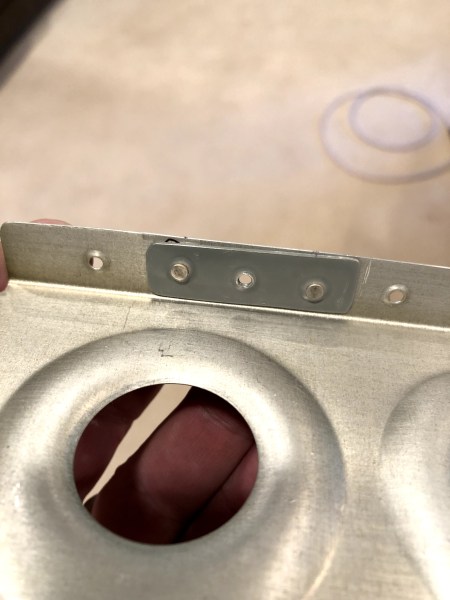
Clecoed the 8 outboard hinge brackets to the spar and final drilled.
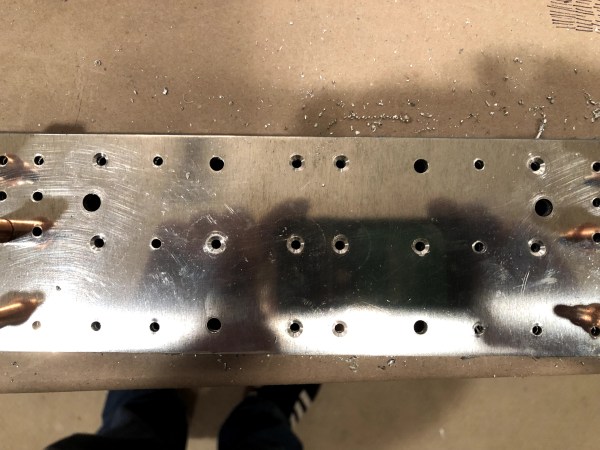
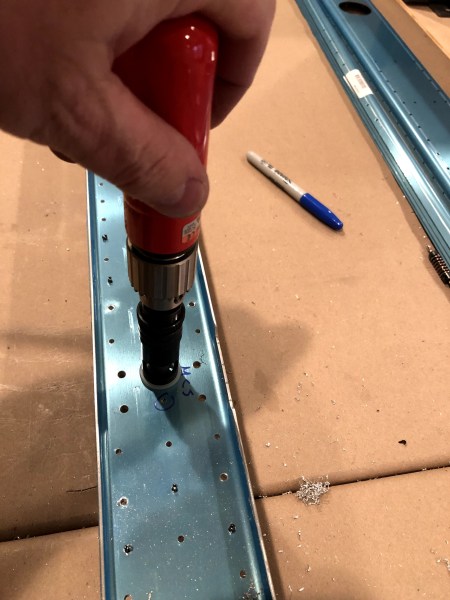
Machine countersunk the two holes in the center of the spar.
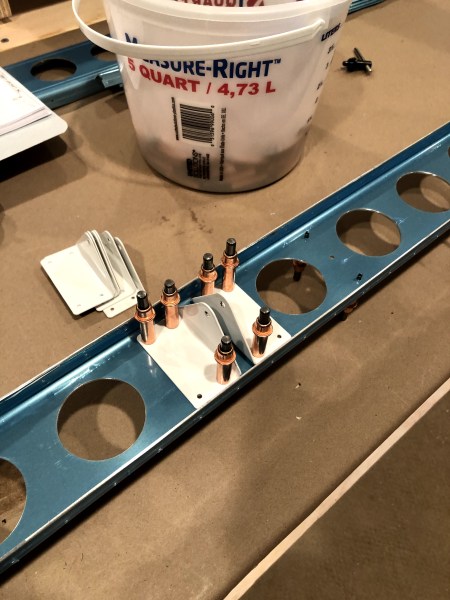
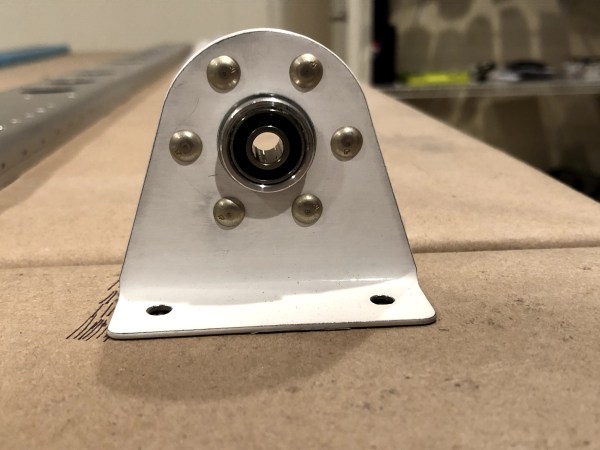
Fit, clecoed, drilled, disassembled, deburred, reassembled, and riveted the inboard hinge bracket assembly with the flange bearing in the middle.
Deburred and scuffed everything. Ready for primer. I’m only going to prime the inside of the spar. the outside will be painted when I paint the airplane. I neglected to account for this when I built the VS and rudder. I’m assuming the primer can be stripped from the outside of those spars in preparation for painting.
Scuffed and prepped the new parts. Then sprayed them with primer.
Riveted the doubler and ribs to the forward spar.
Clecoed the skin to the forward spar and ribs and started riveting.
Finished riveting the skin to the forward spar and ribs.
Clecoed and riveted the rear spar to the skin and ribs.
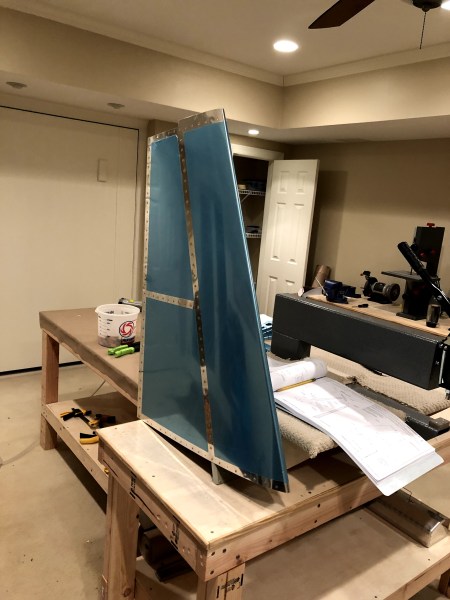
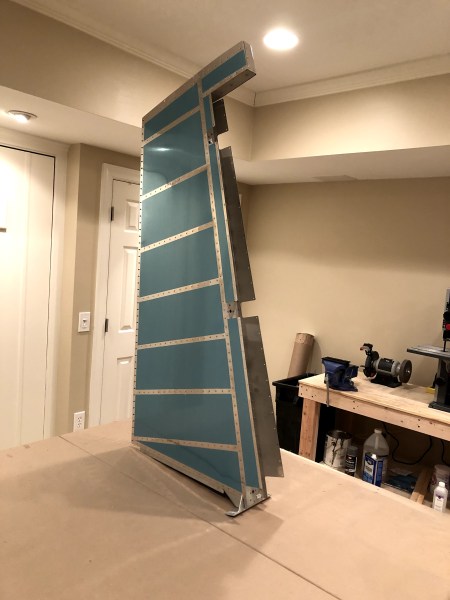
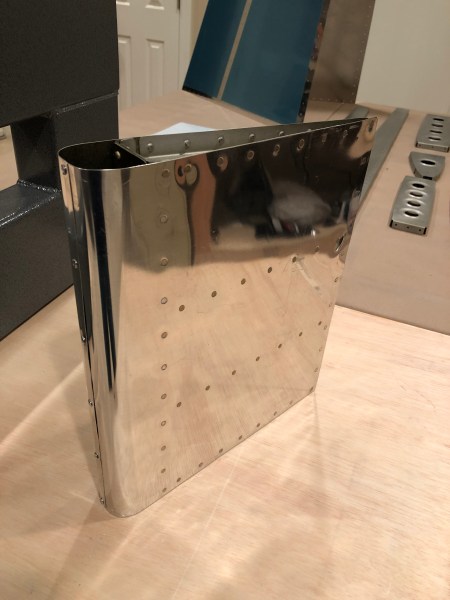
VS Complete! Very pleased with how well it turned out. Once I replaced the parts I messed up, everything went smoothly. I’m much happier with my workmanship than the first attempt. A little experience makes a world of difference.
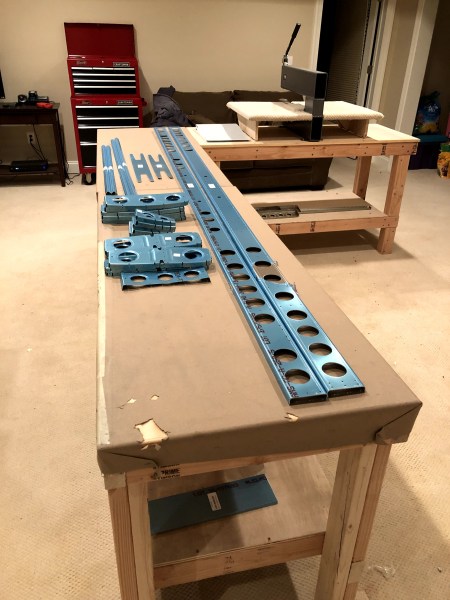
Rearranged the work benches and started picking parts for the horizontal stabilizer.
Got all my VS replacement parts from Vans and now that I’ve completed the rudder I can go back and finish the VS. Tonight I cut, fit, clecoed, drilled, disassembled, deburred and dimpled all the parts. Next I’ll scuff and prime them and then rivet everything together. I hope to have the VS all buttoned up next weekend.
I finished back riveting the stiffeners to the skins. I had one oops where a rivet got cockeyed just before I drove it. It left a ding in the skin but didn’t penetrate. I debated replacing the skin but opted to move on.
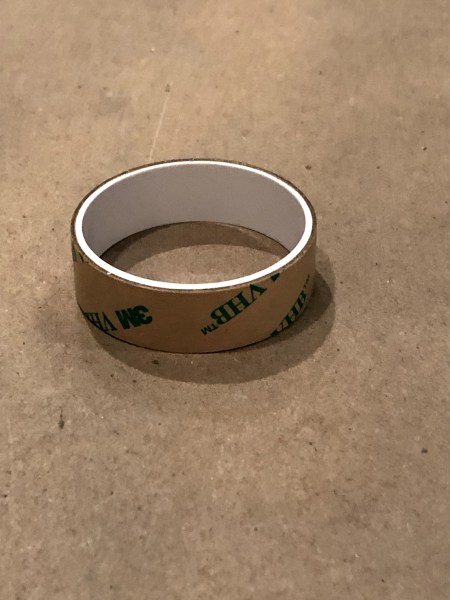
I used 3M F9460PC double stick VHB tape to secure the trailing edge extrusion to the skin and clecoed it together. I put some long rivets through every tenth hole or so, put the tape on both sides of the wedge, and used the rivets to properly register the taped wedge to the right skin. Then I clecoed it in place and removed the rivets.
I riveted the stiffeners and shear clips together. I removed the backing from the other side of the tape while I pried the skins slightly apart so the strip didn’t tear. I removed clecos as I worked my way to the top of the trailing edge. I pressed the left skin into the tape and clecoed every hole.
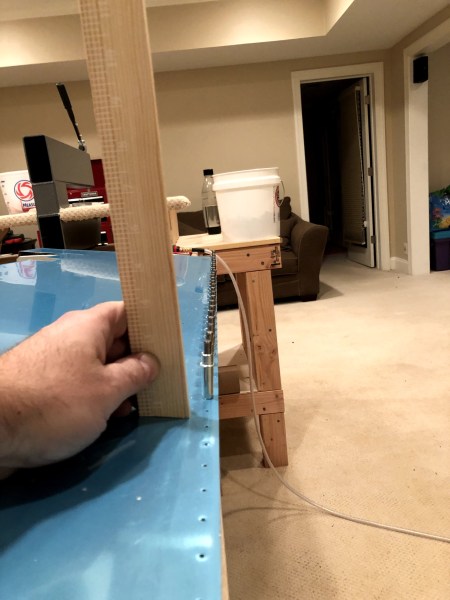
I mounted the counterbalance. I had to file a bit off of the forward corners to clear the shop heads of the rivets holding the counterbalance rib in place. I riveted the skin to the spar, and riveted everything else except the trailing edge. That will be tomorrow’s adventure.
I neglected to shoot progress photos along the way but here’s the result of today’s work…
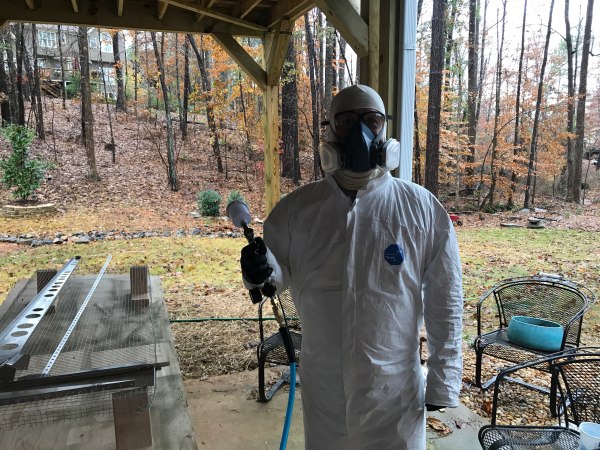
I primed all the rudder parts and skins today. I picked up a roll of hardware mesh at Home Depot and put it up on some blocks over my paint table. I did this to keep all the small pieces from being blown around by the spray gun. It worked really well.
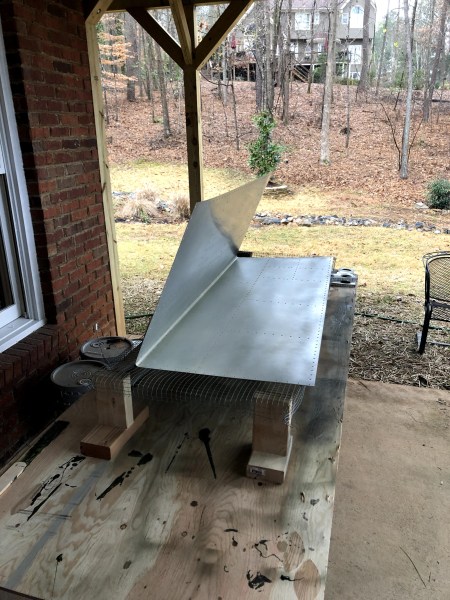
All dressed up and no place to go!
I got the shipment of VS replacement parts from Van’s today. Unfortunately only four of the five parts I ordered arrived. They shipped the wrong part for the fifth on. I ordered a VS-705 they shipped an E-705. I called and they’re shipping the correct one. Oh well. I’ll just continue on with the rudder until it arrives.
I riveted together the spar, reinforcement plates, counterweight rib, bottom rib, rudder horn and shim. The I screwed up and riveted the rudder attach nut plates to the wrong side of the spar. Drilled them out and re-riveted correctly. Cost me six rivets and an extra thirty minutes. No harm no foul.
I’m still struggling with my riveting technique with the gun. There was one rivet on the rudder horn that couldn’t be reached with the squeezer. I managed to put a big smile into the rudder horn. I think it will be okay.
I made a drill guide from a paint stirrer so that I could more accurately drill perpendicular to the chord of the rudder. I cut a 6 degree angle on the end and held it flush to the rudder and aligned the drill to the edge of the stick.
Off to Vegas tomorrow for a conference. won’t be making ay progress until next weekend.
Started off the day dimpling the vertical stabilizer skin with the DRDT-2. I’m pleased with this tool. Dimpling large parts like the skins is a piece of cake and the dimples are consistent. I will say that I am considering getting a c-frame as well. It would have come in handy for riveting the rear spar. Juggling the spar and the pneumatic squeezer was challenging. While the squeezer was workable, I think the c-frame would have been easier.
Once the skins were complete, the fun began! I was dimpling the substructure when I decided that the VS-707 rib needed an extra hole. So I made one. With the pneumatic squeezer and dimple dies. I hammered out the unwanted dimple and made a doubler to fix the flange. I completed the rest of the dimpling uneventfully.
I riveted the aft spar assembly together. This went well and I’m happy with the result.
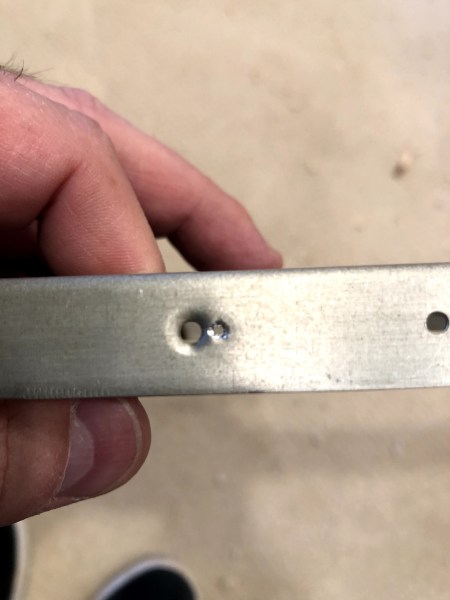
I riveted the front spar doubler to the front spar and clecoed the ribs to the front spar in preparation for riveting. And that’s when things went south again. I tried to rivet the root rib and the nose rib to the spar from the front of the spar to the back. Turns out that this is extremely difficult due to the angle of the nose rib. Even with an offset rivet set in the gun, I couldn’t get straight on the rivet. I tried to buck it anyway. The rivet folded over. The angle of the nose rib made drilling out the rivet problematic as well. I thought about drilling the shop head but it was too messed up to drill. I ended up mangling the hole beyond repair. Turned all three parts into scrap. I ordered replacements from Van’s and since I was already going through the process and paying for shipping I included a replacement VS-707 as well.
Lesson Learned: If it doesn’t seem right, stop and think about it. When I couldn’t get the rivet set square to the rivet, I should have stopped and considered shooting the rivet from the other side.
Mistakes were made. Learned a lot. Glad I learned these lessons on the practice project and not the airplane. Got lots of practice drilling out rivets.











 Ron's RV-14A Build Log